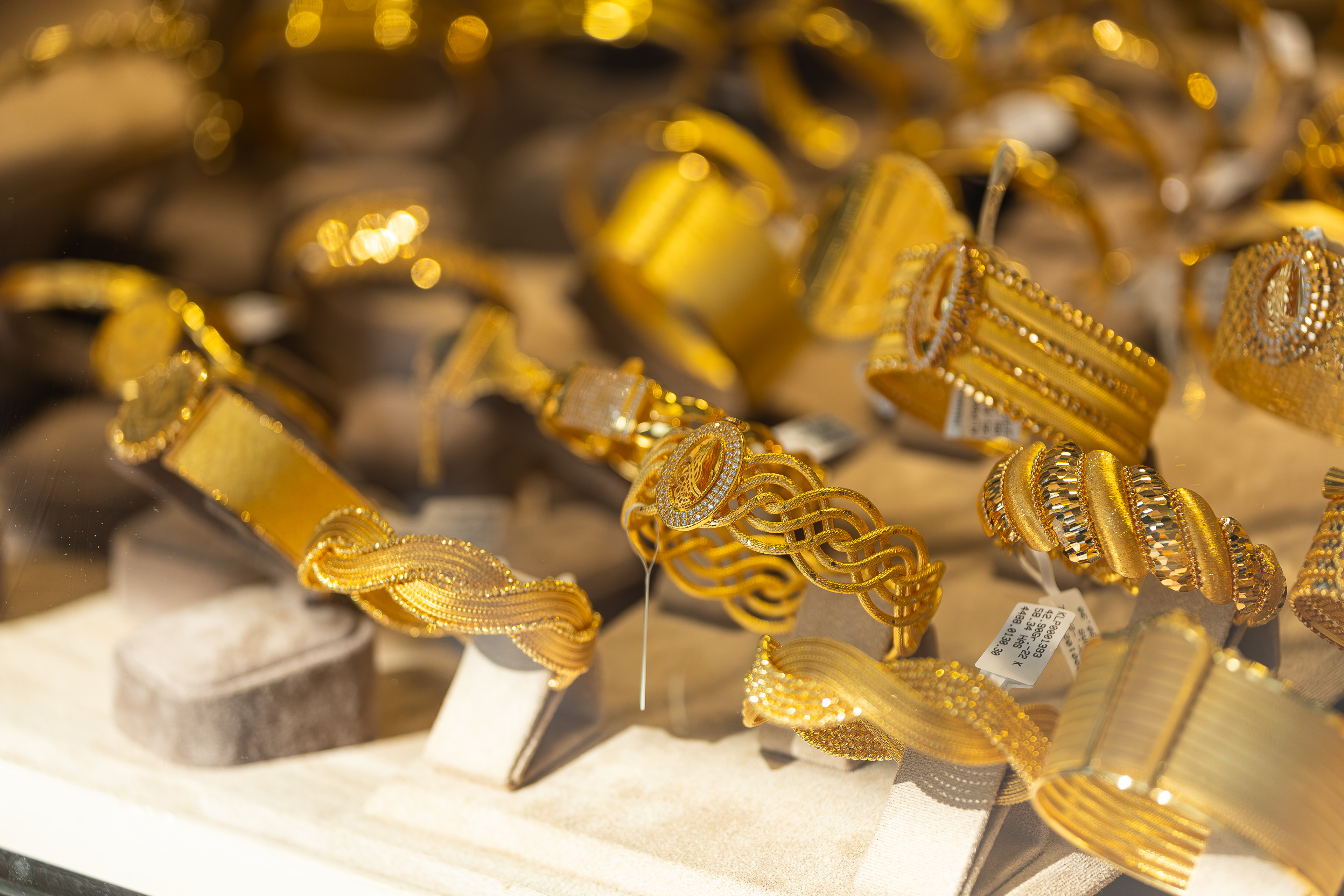
Gold has always been the choice for jewellery since ancient times, adored for its beauty, versatility, and elegance. However, not all gold is the same, and finding a suitable karat gold may also depend on various other factors. Knowing the difference between 14K, 18K, 22K, and 24K gold is key to selecting the right pieces for your tastes and needs, whether for investment, jewellery, or special occasions.
What Does “Karat” Mean?
The “K” in karat marks the purity of gold, hence, 14K, 18K, 22K, and 24K. The higher the karat number, the more pure gold is present in the metal. The highest purity is 24K, which is 100% pure gold, while anything besides 24K is mixed with other metals, such as silver, copper, or nickel. Unfortunately, despite its popularity, pure 24K gold is not durable due to its highly fragile and malleable nature.
Gold mixed with other metals, like 14K, 18K, or 22K, decreases the gold purity but makes it stronger and more durable. The mix of metals also affects the colour of the finished piece, as a higher karat tends to form a richer yellow colour. Given their differences in gold purity and durability, how do you choose the best karat gold for your jewellery?
Four Types of Gold Karats
Here are the common types of gold karats, each with its unique characteristics:
24K Gold – 99.9%
24K gold, or 999 gold, is the purest form of gold you can buy, though it is rarely used for everyday jewellery. 24K gold offers a warm, saturated hue which glows against the skin. Despite its beauty, pure gold is so soft that it is prone to scratches and dents with very little pressure. 24K gold can be stored in your collection of coins, bars, or ceremonial pieces, but it is not suitable for everyday wear.
22K Gold – 91.67%
22K gold, or 916 gold, offers a brighter and warmer yellow than lower karats. Most jewellers make gold jewellery from 22K gold for its durability and valuable quality. It is common to see it used in necklaces, bracelets, and various traditional jewellery. Due to its higher metal content, the jewellery pieces are more resistant to scratches, though over time, they can bend or scratch because the gold is relatively soft.
18K Gold – 75%
18K gold stands in the middle of the gold purity spectrum. It is valued for its durability and relatively high gold content, making it suitable for everyday wear. The colour has a rich, yellow tone with a slightly dull shade, yet still retains an elegant feel due to its warm, yellow shine, perfect for engagement rings, wedding bands, and necklaces. Given its metal content, 18K gold offers strength and is more resistant to scratches and wear.
14K Gold – 53.3%
14K gold is the most popular choice for rings, necklaces, bracelets, earrings, and other wearable jewellery. Its lovely yellow hue, with a hint of an orange cast, makes it a versatile option that complements most outfits and skin tones. 14K gold’s metal content makes it highly durable and affordable in the market, although it is known to trigger possible allergies, especially in those with sensitive skin.
How to Choose the Best Gold for Jewellery?
The right gold karat you are looking for highly depends on the type of jewellery, your personal style, and the characteristics that matter to you the most.
Durability & Lifestyle
If you are shopping for everyday wear, such as a wedding band or an engagement ring, look for karats that can withstand wear and tear. 14K and 18K gold are excellent options because they strike a balance between beauty and strength.
Appearance & Colour
Gold with higher purity shows a stronger, vibrant yellow colour. 18K or 22K gold gives you that classic, warm glow that can add a luxurious touch. 14K gold has a more neutral yet elegant tone, despite being less vibrant in colour. Choosing colours like rose or white gold also changes depending on the karat and mix of metals.
Allergies
Lower karats with a heavy mix of metals can irritate sensitive skin. 18K and 22K gold have less metal and are generally safer for people with sensitive skin. Since nickel is common in white gold, always ask your jeweller for nickel-free jewellery pieces.
Budget & Practicality
14K gold is more affordable and can withstand wear and tear, making it ideal for everyday pieces or for buyers prioritising a pragmatic option for daily wear. 18K and 22K gold are pricier, but they offer a luxury appeal and better long-term value thanks to their timeless appeal. Balancing these traits depends on whether you value the most, such as your desire to keep an heirloom jewellery piece for your family, or as a potential long-term investment.
.jpg)
At the end of the day, the “best” karat for gold jewellery is one that fits your personal needs and styles. The good news is that you will have plenty of options available to you when you head out for gold jewellery shopping.
If you are keen on finding your desired karat gold in Singapore, look no further than Merlin Goldsmith. We are confident you will find your treasured piece that reflects your style with us.
Frequently Asked Questions
Is there much difference in colour between 18K and 14K?
Yes. 18K has a richer yellow tone, while 14K appears slightly paler due to its higher metal content. The difference is subtle but quite visible side by side.